



 EPA/Shutterstock
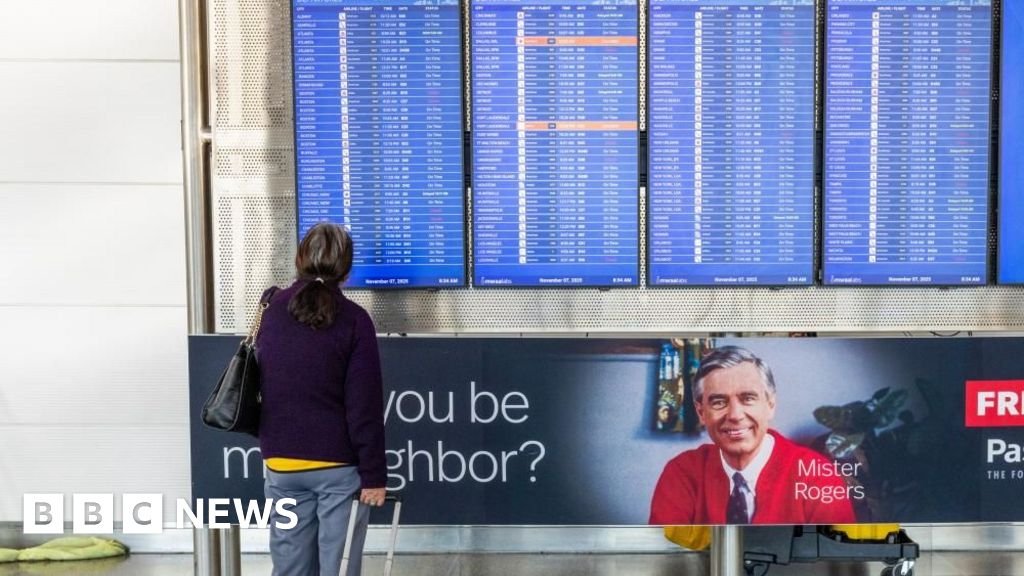
Flight delays and cancellations continue to disrupt air travel in the US for a third day, with Transportation Secretary Sean Duffy warning that air traffic will “substantially decline” if the US government shutdown continues.
Nearly 1,400 flights to, from and within the United States were canceled and 2,700 flights were delayed Sunday morning, according to flight tracking company FlightAware. The longest delay was reported in Newark, New Jersey, more than two hours on average.
In a hopeful sign, lawmakers are working on a potential agreement to reach a compromise on government funding and end the shutdown, according to US media reports.
The Senate was scheduled to meet on Sunday in a rare session over the weekend.
Duffy warned that the impacts on air travel will become more serious if the impasse is not broken soon.
“You’re going to see air travel reduced significantly,” he told CNN on Sunday. He added that travelers trying to return home for the Thanksgiving holiday later this month may not be able to get there.
“A lot of them won’t be able to get on a plane because there won’t be that many flights if this thing doesn’t open back up,” he said.
The Federal Aviation Administration (FAA) announced last week that it will reduce air travel capacity by up to 6% this weekend and 10% by the end of next week at 40 of the nation’s busiest airports. The FAA said the cuts do not apply to international flights, but some airlines may also choose to cancel some of those flights.
Air traffic controllers, who are not receiving salaries during the lockdown, are said to be feeling exhausted and not coming to work, leading to a reduction in air traffic allowances.
Defense Secretary Pete Hegseth offered to have military air traffic controllers step in to help, but he declined the offer because they are not certified to direct air traffic at civilian airports, Duffy said.
In all, hundreds of thousands of federal workers have not been paid since the government ran out of money on October 1. Food aid for low-income Americans also remained in limbo, with the administration agreeing to pay only half of the monthly benefits.
Sunday marked 40 days of the longest shutdown in history as Republicans and Democrats have yet to agree on a funding decision to reopen the government.
Republicans and Democrats exchanged accusations of causing the impasse and disrupting travel.
Democrats have refused to support any Republican Party spending plan unless money is included to support health insurance, while Republicans want to provide funding for this plan and nothing else.
President Donald Trump suggested over the weekend that money should be sent directly to Americans to buy health insurance rather than to insurance companies.
Republican senators are working on a compromise package that could end the impasse by voting to move forward with the legislation, which will likely come out on Sunday.
https://ichef.bbci.co.uk/news/1024/branded_news/5a57/live/2d333d20-bd88-11f0-ae46-bd64331f0fd4.jpg
2025-11-09 17:42:00