




Annabelle RackhamCulture correspondent

 Netflix
It’s supposed to be a TV series about the biggest and most beautiful homes in Los Angeles, but the people who sell them often steal the show. The latest episode of the Netflix reality series “Selling Sunset,” now in its ninth season, began a discussion about how to deal with a “toxic” boyfriend.
Two stars of the show – real estate agents Chrishell Stause and Emma Hernan – have been feuding on and off camera over Emma’s boyfriend Blake Davis, whom Chrishell doesn’t like.
It escalated during the season finale reunion and led to online discussions about how, or even whether, you can stay friends with someone whose partner you don’t like.
We spoke to a woman with first-hand experience with this dilemma and two relationship experts about what to do in this difficult situation.
Friends fall
 Netflix
On the show, Stause, 44, says she never approved of Hernan’s relationship with real estate developer Davis. She claims he “love bombed” Hernan early in the relationship and that there were “huge red flags.” Love bombing It often involves someone showering a partner with various gifts, attention, and promises.
Hernan said Netflix Post Online She “doesn’t blame” Stause for trying to protect her but would like Stause to “step back and realize” her level of love and support. She also said, “I enjoyed my time with him… Everyone can say what they want – or they can either love him or hate him. But in the end, it’s my choice who I end up with.”
Some of us have experienced similar situations firsthand.
Hannah, who did not want to reveal her last name, told BBC News she had an argument with her old friend Georgia – not her real name – over her partner.
Hannah says Georgia “had a history of dating very uncool people” and moved out of London with a new partner who “proposed to her very quickly, I think within about a year”.
She felt like Georgia was “under his spell” – and, Hannah says, one night out before the wedding, Georgia’s fiancé made sexual comments about Hannah. “He came up to me and started telling me all the things he wanted to do to me in a very clear and frank way.”
She says the experience was “very uncomfortable” and “came out of nowhere.”
When Hannah told Georgia about it a few days later, Georgia “tried to play it down and was saying things like ‘He does that to all his girlfriends,’ and I was trying to explain to her that he was saying really inappropriate things,” Hannah says.
What you can do, according to a relationship expert
 James Rudland
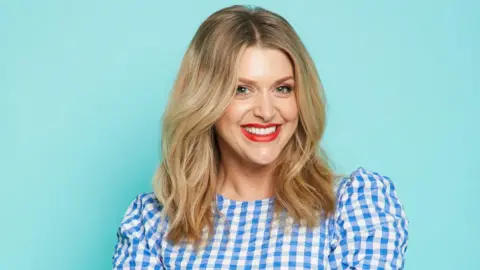
Relationship expert and counselor Anna Williamson, who works as a dating expert on Channel 4’s Celebs Go Dating, says trying to support a friend if you’re worried about their partner can be difficult.
It’s important not to judge them or tell them what to do, she says. Judging your friend can lead to him acting defensive, but finding the line between support and judgment is a real challenge.
She told the BBC: “We have to be very careful in compartmentalizing our feelings and not projecting them onto a friend, because they may not realize they are in a toxic relationship.” “They may be carrying feelings of shame and hiding them.”
She recommends starting a conversation with a friend by telling them something like: “I care about you a lot but I want to check in because I’ve noticed you seem really stressed out lately.”
Williamson adds that it’s important to “stick to the facts” and only discuss things you’ve noticed with them. She recommends avoiding phrases like “I don’t really like her,” “I think she’s toxic,” or “I think she’s abusive.”
If you still want to see your friend but don’t want to be near their partner, Williamson says this can be handled delicately. “I say something like: ‘I really care about you, but I need to take some space from your partner because I’m not comfortable with his behavior, but I really want to spend time with you.'”
It’s also important to make sure you have support around you, because looking for someone else all the time can be stressful, she says.
From watching Selling Sunset, some of the tension comes from cast members talking behind each other’s backs and later confronting them, says Yasmine Shaheen Zafar, a relationship and trauma counselor.
Shaheen Dhafar told the BBC: “Avoid gossiping and talking about your friend or partner in front of others, which may create a state of hysteria.” She says it’s important to “stay safe” because anything you say “could be taken out of context or used against you.”
“Try to remain civil”
What if you don’t agree with your friend’s partner’s opinions or values?
In Selling Sunset, Stause and Hernan argue about Davis’s views on politics.
Davis was scheduled to appear in the ninth season of Selling Sunset, but his scenes were cut after another storyline involving Hernan was deemed more important. It is not known whether any of the scenes showed disagreements between Davis and Stause, but Hernan denied that Davis expressed “political opinions” in front of Stause.
Ultimately, Shaheen Zafar says, “you have to respect people’s individual decisions” and “try to remain civil” if you still want this friend to be a part of your life. “I think we’ve developed a culture where if someone doesn’t agree with what we think we don’t like,” she says.
This isn’t advice she says she would give if someone was overtly “bigoted,” but more if they had views you didn’t agree with. “It takes a lot of self-development and digging deep to understand and accept the opinions of others,” she adds.
Your ability to deal with your friend’s partner’s conflicting views depends on what “aligns with your values,” she says.
Sometimes, a partner’s actions can be too much for you — and can cause your friendships to fall apart completely.
After what happened with Georgia’s partner, Hannah came to the conclusion that she would never be able to see her friend again if she chose to stay with him.
Hannah adds: “I told her: ‘I love you, the door is always open but I can’t keep him in my life’ – his presence was not good and healthy and I felt very uncomfortable and afraid.”
She says that Georgia and her have not spoken since and that the end of the friendship is “really hurtful.” She says she and Georgia “were friends for a long time and had a lot of fun together” – although in hindsight she ultimately wouldn’t have done anything different.
https://ichef.bbci.co.uk/news/1024/branded_news/e84d/live/5d0ef150-cba8-11f0-9b12-8751a987e19a.jpg
2025-12-06 00:08:00