


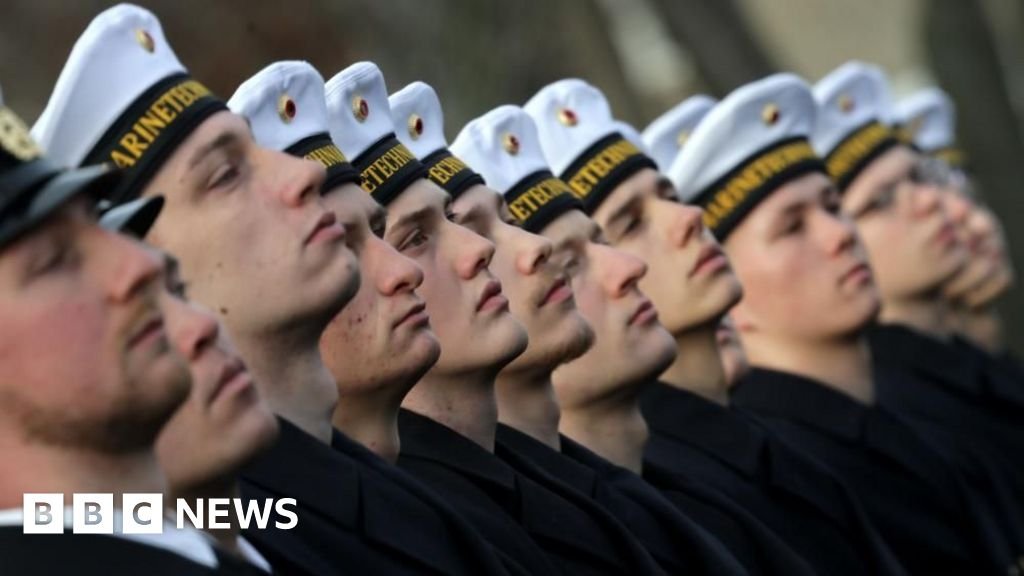
The German Parliament (Bundestag) voted in favor of introducing voluntary military service, in a move aimed at strengthening national defenses after the large-scale Russian invasion of Ukraine.
This represents a major shift in Germany’s approach to its army and comes in the wake of Chancellor Friedrich Merz’s efforts to create the strongest conventional army in Europe.
The change means that all 18-year-olds in Germany will be sent a questionnaire from January 2026 asking them if they are interested and willing to join the armed forces. The model will be mandatory for men and voluntary for women.
Schoolchildren across Germany said they would join strikes in up to 90 cities on Friday to protest the move.
Many young Germans either oppose the new law or are skeptical about it.
“We do not want to spend half a year of our lives locked in barracks, training in training and obedience and learning to kill,” protest organizers wrote in a statement posted on social media.
“War offers no prospects for the future and destroys our livelihoods.”
In Hamburg alone, about 1,500 people were expected to join the protests, and school administrators warned parents not to take their children out of school for the day.
German lawmakers voted 323 to 272 to support the change, making their country the latest European country to launch a modified form of military service.
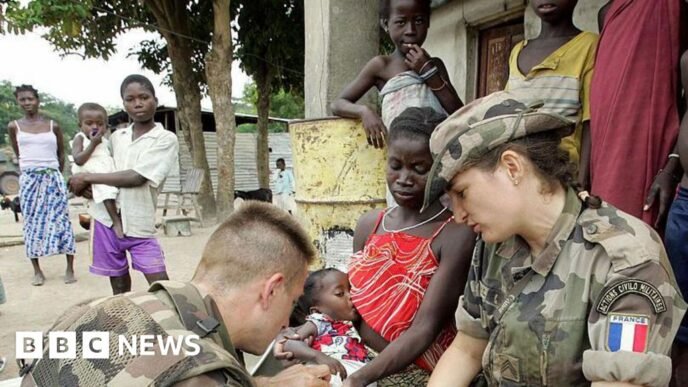
France said last month that it would provide ten months of voluntary military training for 18- to 19-year-olds.
The government says military service will be voluntary for as long as possible, but from July 2027, all 18-year-old men will have to undergo a medical examination to assess their fitness for potential military service.
Defense Minister Boris Pistorius said comprehensive medical examinations were necessary, so that in the event of an attack, Germany would not waste time determining “who is able to act as a protector of the homeland and who is not.”
The German army currently numbers about 182,000 soldiers, and Pistorius wants to increase the number of soldiers in service by 20,000 over the next year.
The long-term goal is to raise the number by the early 2030s to 260,000 soldiers, plus approximately 200,000 reserve soldiers, to achieve NATO’s new force objectives and strengthen German defences.
While the plan is for voluntary service, if the security situation deteriorates or if too few volunteers come forward, the Bundestag could consider some form of compulsory military service.
If war broke out, the army would be able to rely on questionnaires and medical examinations of potential recruits.
Like other European countries, Germany depleted its armed forces during the peace years of the 1990s. During the Cold War it had an army of nearly half a million.
Compulsory military service in Germany was ended in 2011 under former Chancellor Angela Merkel.
But now, facing perceived threats from Russia and intense pressure from Germany’s traditional ally, the United States, Friedrich Merz pledged to rebuild the German army into the strongest conventional army in Europe.
NATO countries are under pressure from the White House under US President Donald Trump to increase their spending on defense.
Incentives for volunteer service are relatively high, with the promised salary being around €2,600 per month. In France, volunteers will be paid at least €800 (£700) per month.
The Bundestag is also scheduled to vote on Friday on a controversial pension reform bill, which would keep state pensions at current levels until 2031.
The bill is a key pillar of the coalition agreement between Merz’s conservatives and his centre-left partner, the Social Democratic Party, which has only a slim ruling majority of just 12 votes.
However, there were doubts over whether it would pass the parliamentary vote, as younger members of Merz’s conservative party threatened to revolt. They say the plan is not financially sustainable and will leave younger generations to bear the burden.
But Germany’s opposition far-left party said it would abstain, meaning the coalition would need fewer votes to pass and therefore would not have to worry about potential rebels from its ranks.
Perhaps the government crisis could have been miraculously avoided.
https://ichef.bbci.co.uk/news/1024/branded_news/165e/live/0fe7b770-d1c2-11f0-8c06-f5d460985095.jpg
2025-12-05 10:34:00