


The long-term impact of artificial intelligence is one of the most controversial topics in Silicon Valley. Nvidia CEO Jensen Huang He predicts that every job will shift, likely leading to a 4-day work week. Other tech giants go further: Bill Gates Humans may soon no longer be needed “for most things,” he says. Elon Musk He believes that most humans will not have to work at all in “less than 20 years.”
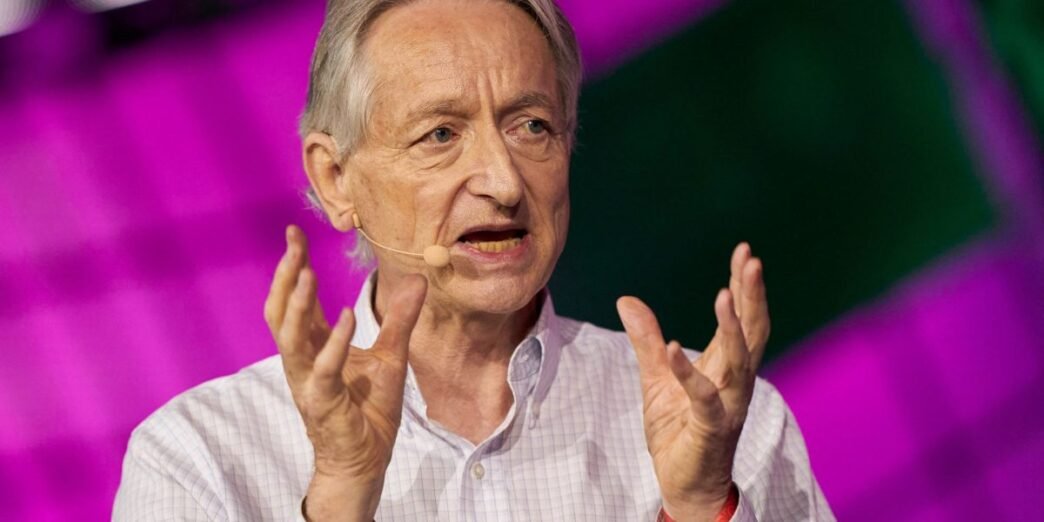
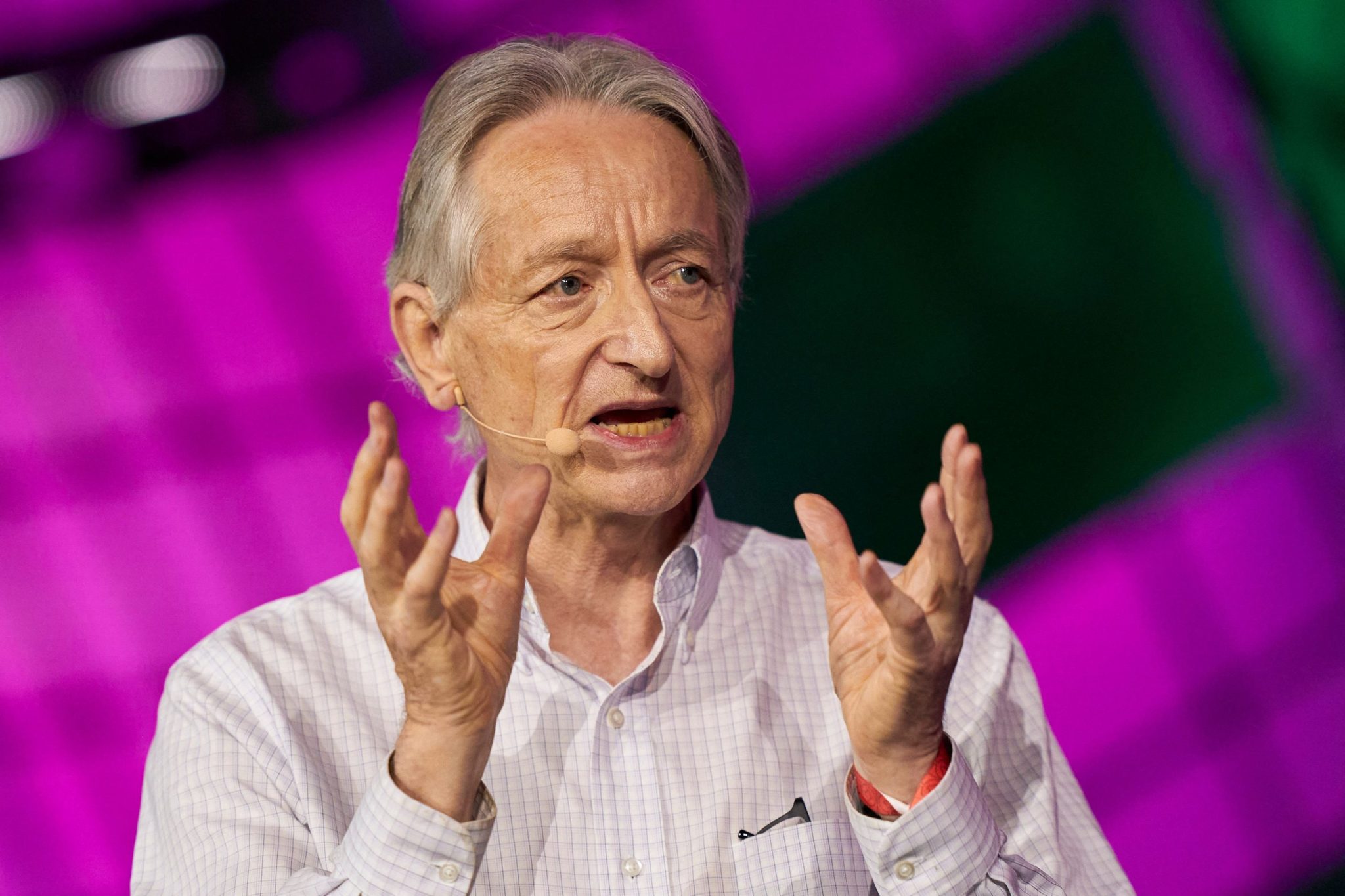
While these expectations may seem extreme, they are not only reasonable, they are possible Geoffrey Hinton– British computer scientist widely known as the “Godfather of Artificial Intelligence.” He warned that this shift could lead to a comprehensive economic adjustment that leaves millions of workers behind.
“It seems very likely to a large number of people that we will face massive unemployment because of AI,” Hinton says. he said in a recent discussion With Senator Bernie Sanders (I-VT) at Georgetown University.
“And if you ask where these people are going to get the nearly trillion dollars that they’re investing in data centers and chips… one of the main sources of money is going to be through selling AI to people that will do the work of workers at a much cheaper price. And so these people are really betting on AI replacing a lot of workers.”
Hinton has become increasingly vocal about what he sees as Big Tech’s misplaced priorities. Industry, it is He said recently luckdriven not so much by scientific progress as by short-term profits, fueling the push to replace human workers with cheaper artificial intelligence systems.
His warnings come as… The economics of artificial intelligence faces new scrutiny. OpenAI, maker of ChatGPT, It is not expected to make a profit Until at least 2030, it may need more than $207 billion to support its growth, according to HSBC Bank estimates.
The future of artificial intelligence is behind the fog of war
Hinton’s journey from knowledgeable AI scholar to outspoken critic highlights the high stakes of the technology he helped create. After leaving him Google In 2023 to speak more freely about the dangers of artificial intelligence, he has become one of the most prominent skeptics. Last year, his pioneering work in machine learning won him a Nobel Prize.
He also acknowledged that artificial intelligence will create new job opportunities Many technology leaders expect. But he added that he does not expect the number of new roles to come close to the number that were cancelled. However, he cautioned that all predictions – including his own – should be treated with a great deal of skepticism.
“Trying to predict the future is going to be very difficult,” he told Sanders. “It’s a bit like when you’re driving in fog. You can see clearly for 100 yards, and 200 yards away you can’t see anything. Well, we can see clearly for a year or two, but after 10 years, we have no idea what’s going to happen.”
But what is clear is that artificial intelligence is not going away, experts say Workers who adapt– and using technology to amplify their skills – they will have the best chance of surviving the coming disruptions.
Bernie Sanders warns that 100 million jobs are at risk
Sanders tried to quantify the risks. In a The report was released in OctoberHe warned – based in part on estimates from ChatGPT – that nearly 100 million US jobs could be replaced by automation. Workers in fast food, customer service, and manual labor face some of the highest risks, but white collar roles in this field accountingSoftware development and nursing could also see significant cuts.
“It’s not just the economy,” Sanders wrote in an article. Editorial for Fox News. “Work, whether as a janitor or a brain surgeon, is an integral part of being human. The vast majority of people want to be productive members of society and contribute to their communities. What happens when this vital aspect of human existence is removed from our lives?”
Senator Mark Warner Virginia Democrats have raised similar alarms, warning that this turmoil could hit young people first and hardest – which could push the unemployment rate among recent college graduates to 25% in the next two or three years.
“Let’s look at the fact that we haven’t done anything on social media,” Warner said. CNBC. “If we made the same response to AI and didn’t put up guardrails, I think we would regret it that day.”
https://fortune.com/img-assets/wp-content/uploads/2025/12/GettyImages-1260047116-e1764863526884.jpg?resize=1200,600
2025-12-04 16:11:00